Understanding the Role of a Metal Fabricator
In the dynamic world of construction and design, a Metal fabricator plays a crucial role in transforming raw materials into functional and beautiful assets. Whether it’s custom gates for a luxury villa or intricate railings that enhance architectural aesthetics, metal fabrication is essential. This article explores the multifaceted responsibilities of metal fabricators, the necessary skills, and the evolving landscape of the industry.
What is a Metal Fabricator?
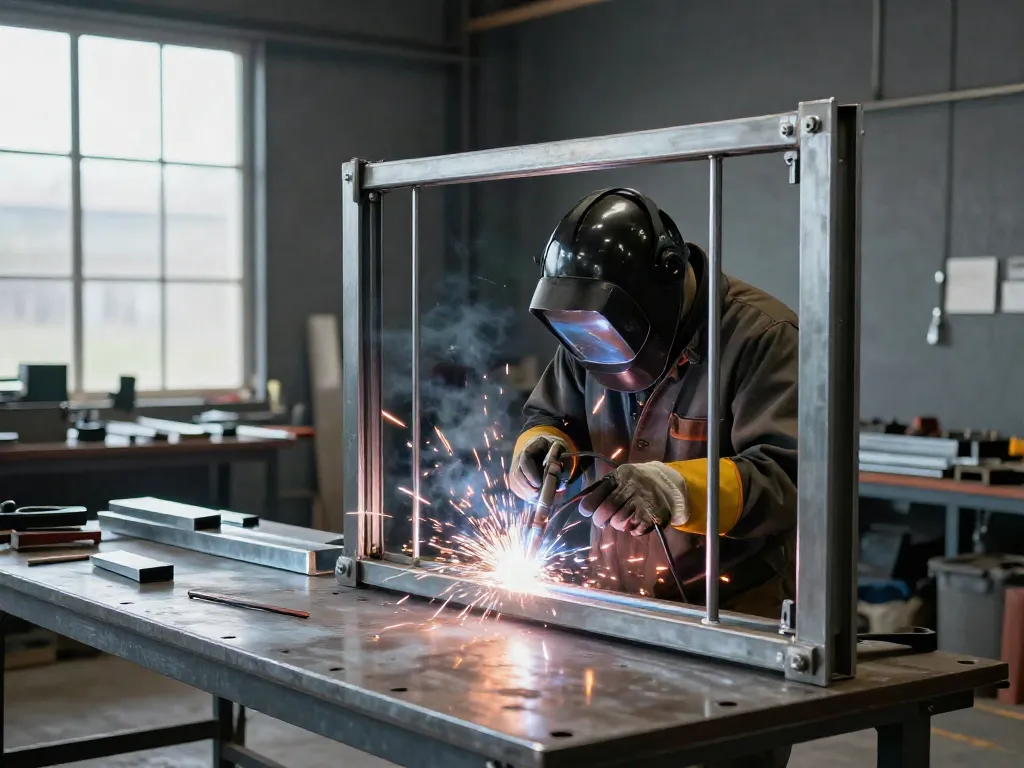
A metal fabricator is a skilled tradesperson responsible for constructing metal structures and components. They engage in various processes such as cutting, bending, welding, and assembling metal parts according to specifications. Their work encompasses everything from small-scale projects like handrails and gates to large-scale installations like structural frameworks for buildings. The end products often combine functionality with aesthetic appeal, making the role of a fabricator vital in modern design.
Core Skills Required for Success
To excel as a metal fabricator, several core skills are essential:
- Technical Proficiency: Mastery of tools and machinery, including welding equipment, cutting tools, and CNC machines, is crucial.
- Blueprint Reading: Understanding and interpreting technical drawings and schematics ensures precise fabrication.
- Mathematical Skills: Basic math is important for measurements, calculations, and ensuring accuracy.
- Problem-Solving: Fabricators often encounter obstacles that require innovative solutions to meet project specifications.
- Attention to Detail: Small errors can lead to significant issues, emphasizing the need for meticulousness in every step of the fabrication process.
Common Misconceptions about Metal Fabricators
Despite their vital role, several misconceptions surround metal fabricators:
- Fabricators vs. Welders: While welding is a part of fabrication, it is just one of many skills a fabricator must possess. Fabricators engage in a broader range of activities, including design, assembly, and finishing.
- Only Heavy Industry: Many believe metal fabrication is only relevant in heavy industries, but it is also crucial in residential projects, art installations, and custom manufacturing.
- Outsourcing Fabrication: Some assume all fabrication is outsourced, but in-house fabrication, like that offered by companies in Fujairah, provides higher quality control and streamlined processes.
In-House vs. Outsourced Fabrication
The decision between in-house and outsourced fabrication can significantly impact project outcomes. Understanding the pros and cons of each approach is vital for homeowners and contractors alike.
Advantages of In-House Metal Fabrication
In-house fabrication offers several advantages, including:
- Quality Control: When the entire process happens under one roof, from design to finishing, it ensures consistency and quality.
- Speed of Implementation: Direct oversight accelerates the fabrication timeline, enabling quicker project turnaround.
- Flexibility in Design Changes: Any alterations during the project can be discussed and implemented promptly, eliminating potential delays.
- Long-term Cost Savings: While initial costs may seem higher, avoiding subcontractor fees and ensuring quality can lead to savings over time.
How Outsourcing Affects Quality and Control
Outsourcing fabrication often leads to various challenges, including:
- Variability in Quality: Different suppliers may have varying standards, leading to discrepancies in the final product.
- Communication Barriers: Managing multiple suppliers can complicate communication, making project management more challenging.
- Increased Lead Times: Each step of the process can be delayed as work is passed between different contractors.
Case Studies of Successful In-House Operations
Companies like Al Taher Design in Fujairah exemplify the benefits of in-house fabrication, showcasing expertly designed and crafted metalworks. By controlling every aspect of production, their projects—ranging from luxury villas to commercial fit-outs—maintain high standards and aesthetic appeal.
Metal Selection for Fabrication Projects
Selecting the right metal is crucial in ensuring the durability and functionality of fabricated products. Each type of metal has unique properties that can significantly impact the project's success.
Understanding Metal Properties and Their Applications
Different metals possess specific characteristics that determine their suitability for various applications:
- Aluminium: Lightweight and corrosion-resistant, ideal for structures exposed to the elements.
- Steel: Strong and durable, often used in structural applications requiring tensile strength.
- Stainless Steel: Corrosion-resistant and aesthetically pleasing, commonly used in high-end architectural features.
- Cast Iron: Known for its durability and strength, often used in decorative elements and outdoor furniture.
Choosing the Right Material for Your Project
To select the right material, consider the following factors:
- Environment: The project location's environmental conditions (e.g., coastal, urban) can impact material selection.
- Load Requirements: Assessing the load and stress that the fabricated product will undergo influences the choice of material.
- Aesthetics: The metal's finish and color can affect the overall visual appeal, making it an important consideration.
Impact of Environment on Material Selection
The environment plays a crucial role in determining the longevity of fabricated metal products. For instance, coastal areas like Fujairah experience salt-laden air that accelerates corrosion. Therefore, using appropriate protective coatings and selecting corrosion-resistant materials is essential.
Effective Project Management for Metal Fabrication
Managing a metal fabrication project requires strategic planning and execution to ensure successful outcomes. Understanding the steps involved can help avoid common pitfalls and streamline the process.
Steps for Running a Successful Fabrication Project
Successful project execution generally follows these steps:
- Initial Consultation: Engaging with the client to understand requirements and project scope.
- Site Assessment: Conducting a site visit to measure existing structures and conditions.
- Design Process: Creating detailed designs and obtaining client approval before moving forward.
- Fabrication: Utilizing in-house resources for cutting, welding, and assembly to produce required components.
- Installation: Final assembly on-site, ensuring everything fits and functions as intended.
Common Challenges in Project Management
Project managers often face various challenges, including:
- Scope Creep: Changes in project specifications can lead to extended timelines and increased costs.
- Material Delays: Delays in material delivery can halt progress and affect overall project timelines.
- Quality Assurance: Ensuring all parts align with strict quality standards is critical to avoid issues post-installation.
Metrics to Measure Project Success
Measuring project success involves several key performance indicators, including:
- On-Time Delivery: Assessing whether the project met its delivery deadlines.
- Budget Adherence: Evaluating whether the project stayed within the allocated budget.
- Client Satisfaction: Gathering client feedback to measure their satisfaction with both the process and final product.
Emerging Trends in Metal Fabrication for 2026
As the industry continues to evolve, several trends are shaping the future of metal fabrication. Staying informed about these changes is vital for both fabricators and clients.
Technological Innovations Shaping the Industry
Technological advancements are revolutionizing metal fabrication, including:
- Automation: Automated machinery increases efficiency and reduces labor costs, allowing for faster production.
- 3D Printing: Additive manufacturing is allowing for more complex designs and reduced waste in production.
- Advanced Software: CAD and CAM software improves design accuracy and facilitates collaboration between teams.
Sustainability Practices in Metal Fabrication
With growing environmental concerns, sustainability practices are becoming integral in fabrication. Efforts include:
- Recycling and Reuse: Many metal fabricators are now using recycled materials and minimizing waste.
- Energy Efficiency: Implementing energy-efficient practices and machinery to reduce the carbon footprint.
The Future of Metal Fabrication Jobs and Skills
The demand for skilled metal fabricators remains high, but the skills required are evolving. Future fabricators will need to be adept with new technologies and flexible in their approach to design and problem-solving. Continuous education and training will be essential to keep up with industry advancements.
What does a Metal Fabricator do?
A metal fabricator is involved in various processes that include cutting, shaping, and assembling metal components for a wide range of applications, from construction projects to custom fabrications. They must possess a combination of technical skills, creativity, and practical knowledge.
Is a Metal Fabricator the same as a welder?
While welding is a significant aspect of metal fabrication, it is just one part of the broader spectrum of skills a fabricator must have. A metal fabricator handles various fabrication processes beyond welding, including material selection and assembly.
Do metal fabricators make good money?
Careers in metal fabrication can be lucrative, especially for those with specialized skills and experience. Compensation varies significantly based on location, industry, and level of expertise, but skilled fabricators often find themselves well-compensated for their work.