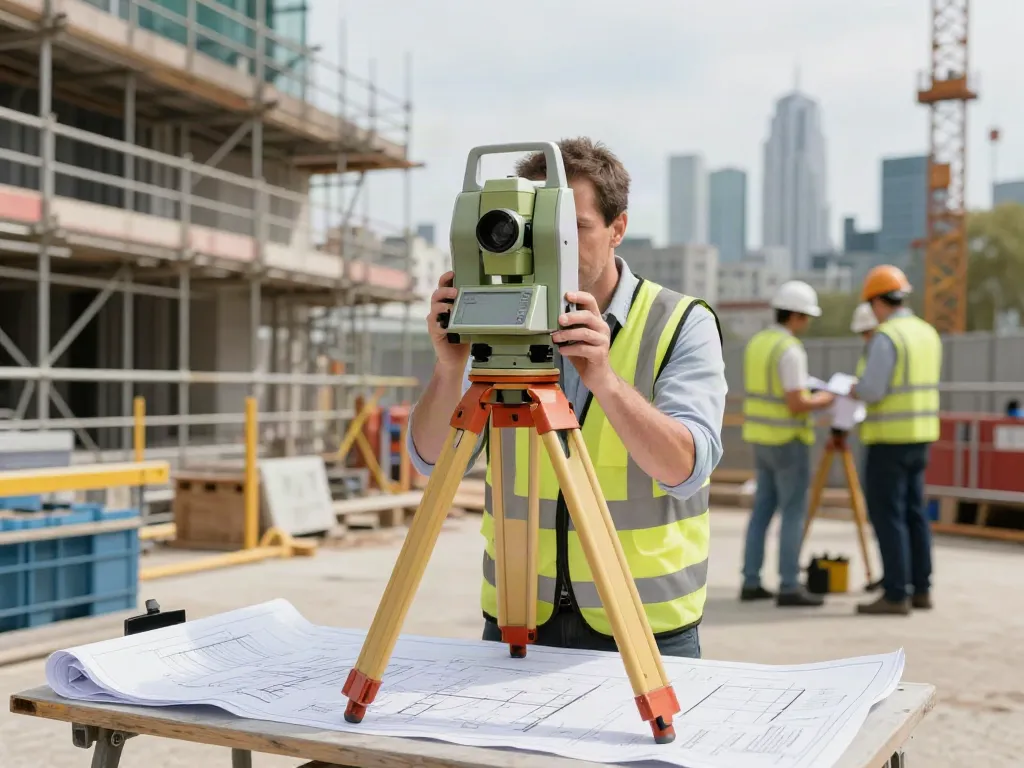
Understanding Measured Building Surveys
Measured building surveys are an essential component of the architectural and construction process, particularly in a complex urban landscape like London. These surveys provide crucial data that forms the backbone of any major building project. Utilizing advanced surveying techniques, professionals can accurately assess existing structures' dimensions and conditions, ensuring that renovations, extensions, or new builds are executed with precision and reliability. For those looking into Measured Building Surveyors London, understanding the intrinsic value of these services is paramount.
What is a Measured Building Survey?
A measured building survey is a detailed examination that captures the precise dimensions and features of a building or site. It includes collecting data on elements such as walls, ceilings, floors, windows, and doors, and the results are presented in various formats such as 2D drawings and 3D models. This type of survey is indispensable for architects, engineers, and construction managers because it provides the factual basis required for any design or renovation project.
The Importance of Accuracy in Surveys
Accuracy is paramount in measured building surveys; even minor discrepancies can lead to significant issues down the line. The level of precision achieved during these surveys directly impacts the quality of design work and the safety of construction. By employing modern technology like total stations and laser scanners, professionals can ensure that measurements are taken to the exact millimetre, thereby minimising the risk of costly mistakes and overruns.
How Measured Surveys Support Architectural Designs
Measured building surveys serve as the foundation for architectural design, enabling architects to visualise existing conditions and integrate new elements seamlessly. These surveys facilitate better decision-making by providing detailed insights into the existing spatial dynamics of a site, allowing for innovative design solutions that meet client needs and regulatory requirements.
Key Technologies in Measured Surveys
Overview of Total Stations and Laser Scanners
Modern surveying relies heavily on technology, with total stations and laser scanners being at the forefront. Total stations combine electronic theodolites with electronic distance measurement to capture accurate angle and distance measurements. In contrast, laser scanners employ light waves to create a detailed 3D representation of a space by capturing millions of data points quickly and efficiently. Both technologies ensure that the data collected is not only accurate but also comprehensive.
Utilising 3D Modelling in Surveys
The advent of 3D modelling has revolutionised the surveying industry. This visualisation allows architects and engineers to visualise their projects more concretely, facilitating better planning and communication. With 3D models, stakeholders can interact with the design in a three-dimensional space, making it easier to identify potential issues before they arise during construction.
Advancements in Surveying Tools and Software
As technology evolves, so do the tools and software available for measuring buildings. Advanced software can process survey data quickly, providing instant visualisation and analysis options. Integrating advanced software solutions into surveying processes not only increases efficiency but also enhances the accuracy of outcomes, allowing surveyors to deliver results that are immediately ready for use in project planning and execution.
Types of Measured Building Surveys
Different Deliverables from Measured Surveys
Measured building surveys can produce various deliverables including floor plans, elevations, sections, and 3D models. These outputs provide comprehensive documentation of a building’s dimensions and structural features. Depending on the project's requirements, surveyors may offer additional services such as point cloud data, which can be critical for projects involving extensive renovations or historic preservation.
Applications in Renovation and New Builds
Whether applied in renovation projects or new constructions, measured building surveys play a vital role. For renovations, they help identify the existing structure's condition, ensuring that any work conducted is compatible and compliant with regulatory standards. In new builds, these surveys guide the design process, ensuring that new structures are integrated seamlessly into existing landscapes.
Case Studies on Successful Survey Projects in London
Numerous projects in London exemplify the success of implementing measured building surveys. For instance, in a recent restoration of a historical building in the heart of the city, the measured survey highlighted structural issues that could have compromised the integrity of the renovation. Similarly, new developments in previously congested urban areas benefited from precise surveys that identified utility placements and drainage systems, resulting in smoother construction processes.
Challenges in Measured Building Surveys
Common Obstacles Surveyors Face in Urban Environments
Surveying in urban settings presents unique challenges including restricted access, the need for coordination with multiple stakeholders, and navigating existing structures that may be under renovation or already occupied. Surveyors must be adept at managing these complexities while ensuring that surveys are completed efficiently and accurately.
Addressing Client Concerns with Accurate Reporting
Clients often express concerns regarding the reliability and comprehensiveness of survey reports. It is essential for surveyors to provide transparent documentation that not only conveys findings accurately but also explains the methodologies employed. This builds trust and reassures clients that they are making informed decisions based on factual data.
Methodologies to Ensure Quality and Compliance
To maintain high standards of quality and compliance, surveyors must adhere to industry regulations and best practices. This includes regular training and certification in the latest surveying technologies, as well as thorough quality checks of all survey outputs. By implementing these methodologies, surveyors can guarantee that their services meet the necessary legal and professional standards.
Future Trends in Building Surveys
Emerging Technologies in 2026 and Beyond
As we look forward to 2026, several emerging technologies are set to reshape the landscape of measured building surveys. Artificial Intelligence (AI) and machine learning algorithms promise to enhance data analysis capabilities, while drones are increasingly used for aerial surveys, providing a bird's-eye view that can uncover hidden site features.
Impact of Urban Development on Surveying Services
With urban development on the rise, there is growing demand for comprehensive surveying services that can keep pace. As cities expand and infill developments become more commonplace, surveyors must adapt to complex site conditions and provide innovative solutions that address contemporary urban challenges.
Predictions for the Surveying Industry in London
Looking ahead, the surveying industry in London is likely to see an increased emphasis on sustainability and smart technology integration. Surveyors will need to focus on environmentally responsible practices and the incorporation of smart technologies into building designs, which will require detailed measured surveys to ensure compatibility.
What should clients look for in a surveyor?
Clients searching for a surveyor should consider several key factors: experience, technological capabilities, customer reviews, and compliance with industry standards. Selecting a reputable measured building surveyor who can demonstrate both technical expertise and a commitment to customer satisfaction is essential for project success.
How to prepare for a measured building survey?
Preparation is crucial for a successful measured building survey. Clients should ensure that all relevant building plans and previous reports are available and accessible. Additionally, facilitating access to the site and informing all relevant stakeholders about the survey schedule can help streamline the process and minimise disruptions.
Why choose professional measured building surveyors?
Engaging professional measured building surveyors is vital for ensuring accuracy and reliability in survey results. These specialists bring a wealth of knowledge, cutting-edge technology, and industry experience that can enhance the quality of any construction project. By choosing experienced surveyors, clients can safeguard their investments and ensure that their projects proceed without unnecessary delays or complications.